Who we are
Built by people who
were fine not fine.
Two neurodivergent founders. Late diagnoses. Years of workplaces and classrooms that weren't designed for them. Eventually, enough was enough.
Two neurodivergent founders. Late diagnoses. Years of workplaces and classrooms that weren't designed for them. Eventually, enough was enough.
Neither of us were diagnosed as children. Which means we both spent a significant chunk of our school years being told we were bright but distracted, capable but inconsistent, full of potential but somehow not quite living up to it.
School was complicated. Work was more complicated. We both spent years navigating environments that weren't built for the way our brains work - masking, adapting, burning out, and quietly wondering if everyone else found it this hard or if it was just us.
(It wasn't just us. It's one in five people. We checked.)
We built All Minds Matter because we got tired of waiting for someone else to fix it. Not because we had a gap in the market identified on a spreadsheet. Because we lived it, we're still living it, and we know exactly how much unnecessary suffering comes from organisations that mean well and do nothing useful.
This is the tool we wish had existed.
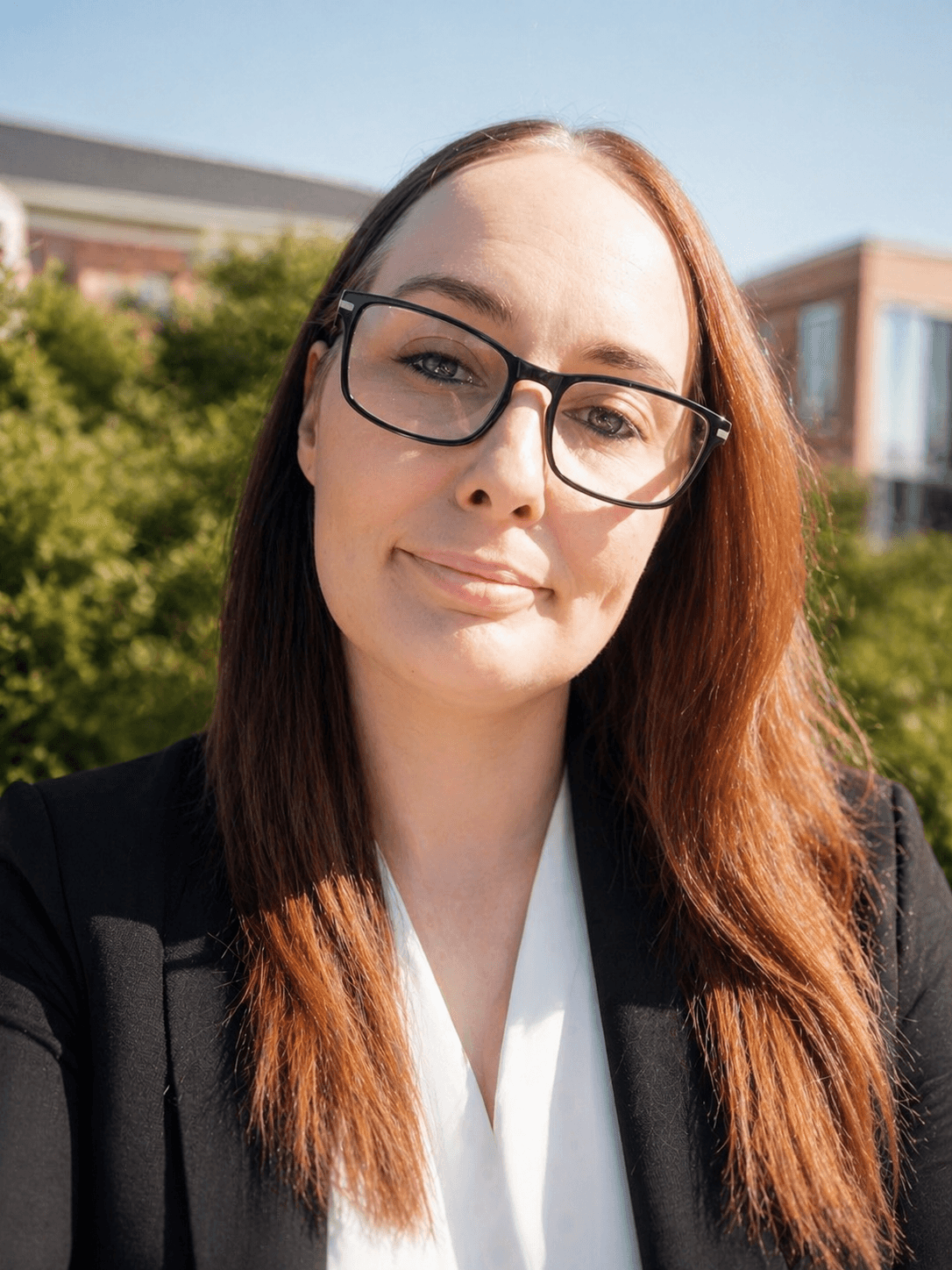
Rach spent over 15 years in data analysis, governance, and software design before deciding that the most useful thing she could do with all that technical knowledge was point it directly at a problem she'd been living with her entire life. She was diagnosed AuDHD in her late thirties. Turns out the “she's bright but needs to apply herself more” comments weren't a personality flaw. Who knew.
She's also the parent of an AuDHD daughter - which means neuroinclusion isn't just a professional interest, it's Tuesday. And Wednesday. And most of the weekend. She knows what it looks like when a system fails a child, and she knows what it looks like when it doesn't - because her dad spent his career as a teacher in primary and behavioural schools, and she grew up understanding education from every angle, including the angles most people never see.
She built this platform. Largely at midnight. Powered by hyperfocus and a conviction that if neuroinclusion tools are going to exist, they should actually work. She is also a disability and ND advocate, a content creator, and - for her sins - a published author.
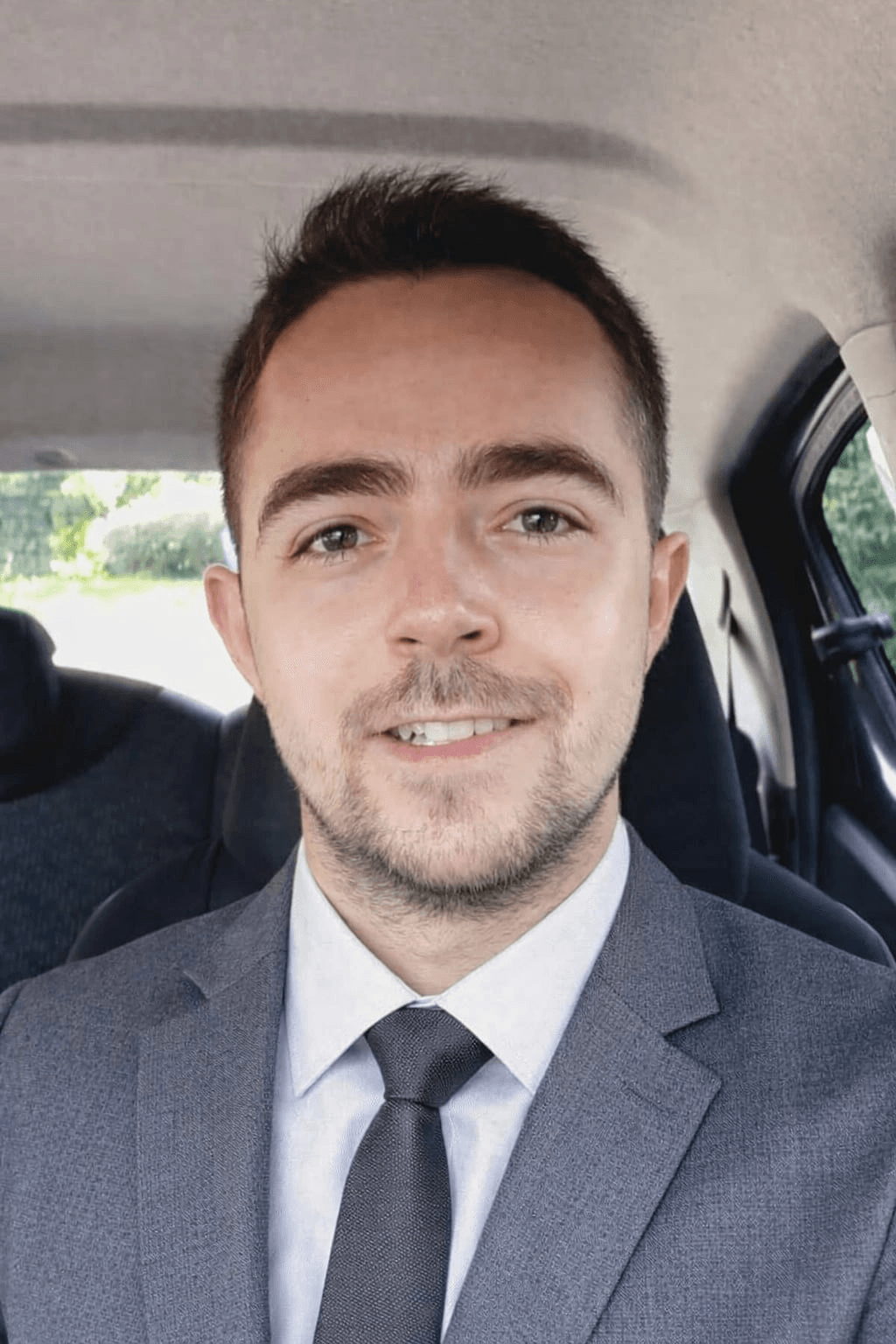
Oli was diagnosed autistic in his twenties. It explained a lot. Specifically, it explained why he'd spent years in environments that felt like they were designed for a version of him that didn't quite exist - too much noise, too many unwritten rules, too much performance of normalcy that nobody had actually defined.
Since his diagnosis, he's dedicated himself to understanding what genuinely supports neurodivergent people - not in theory, not in a policy document, but in the actual messy reality of workplaces and systems that weren't built with them in mind.
He brings research, lived experience, and a very precise way of saying difficult things clearly. His work is rooted in the belief that neuroinclusion isn't a specialist topic - it's essential knowledge for any organisation that wants to value the full range of human minds. He is also, it turns out, quite good at writing books.
I found that out the hard way. Diagnosed with AuDHD in my mid-30s, decades after anyone should have noticed, because women like me get told it's anxiety, or overthinking, or just being “a bit much.” I spent years masking in meetings, drowning in sensory overload, and wondering why everyone else seemed to have a rulebook I'd never been handed.
All Minds Matter exists because I got tired of watching that story repeat. Not just mine - everyone's: the colleague who burns out trying to seem “normal,” the student who knows every answer but won't put their hand up, the manager who wants to help but has nothing useful to work with.
So we build the useful thing. Assessments, policies, toolkits, training, resources for classrooms and boardrooms - all of it designed to actually get used, not filed away next to the diversity statement nobody reads.
We're a profit-making company, and we're proud of that. Profit means we survive long enough to keep making things that matter - not the other way round.
We're not interested in performative inclusion. We're interested in Tuesday mornings going slightly better for someone who's spent their whole life being told they're too much, or not enough.
That's it. That's the whole point.
Tools for organisations that want to make neuroinclusion measurable, not just meaningful. Assessment, e-learning, policy templates, employee toolkit.
From Reception to PhD. Tools for teachers, SENCOs, students, and institutions who know that one-size-fits-all never did.